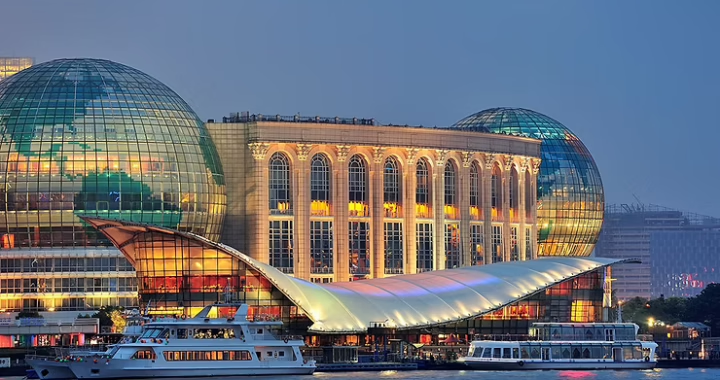

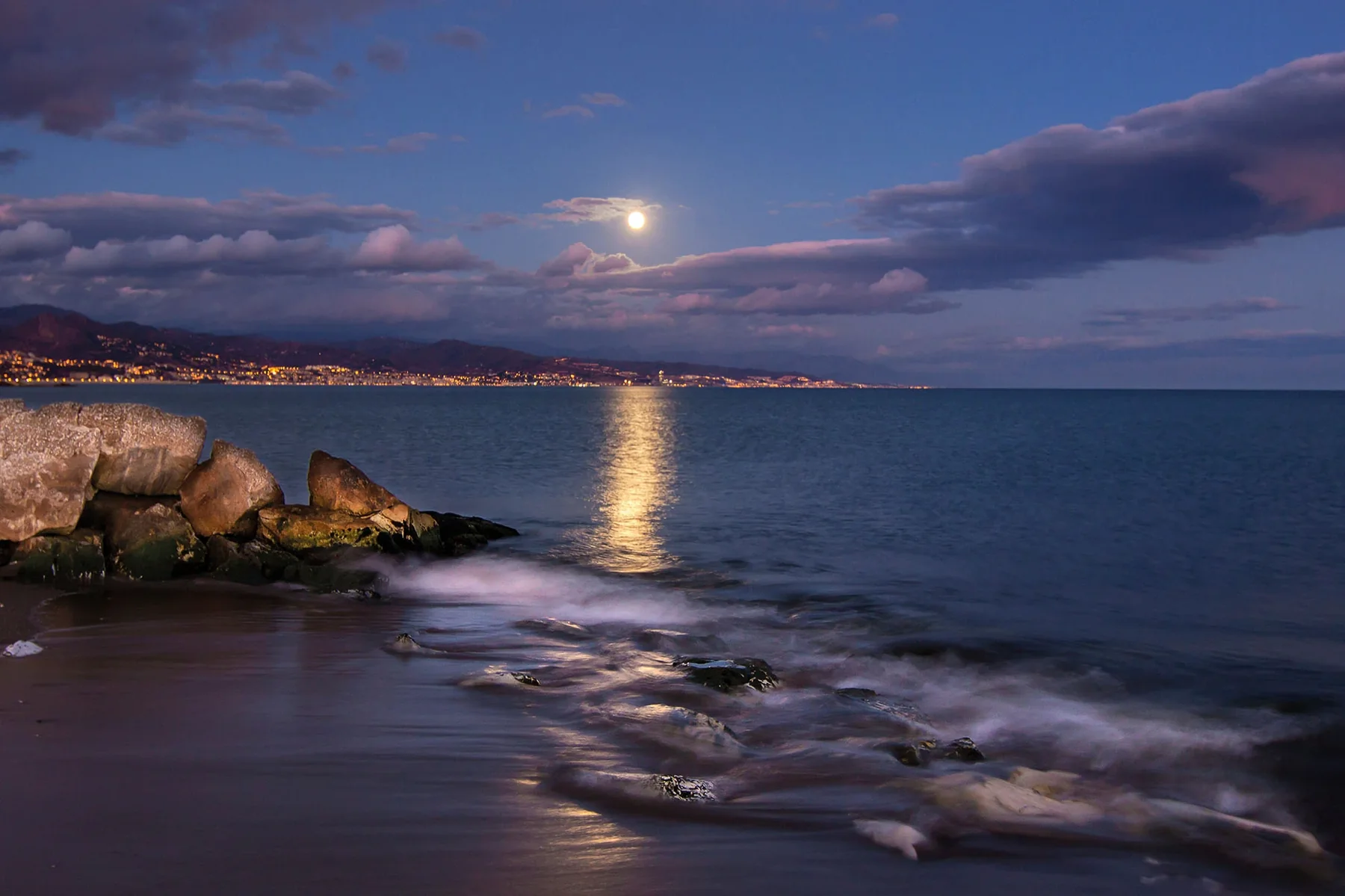
Málaga gathers twenty-eight centuries of civilisation along a single coastline: Phoenician settlements at the mouth of the Guadalhorce, century-old wineries carrying their own Designation of Origin, eclectic castles raised by eccentric patrons, and a shoreline the Saudi royal family chose for a private residence. Between the sea and the Serranía de Ronda, the province charts a route for travellers with a historian’s curiosity and a collector’s palate, equally at home tasting Moscatel and watching championship padel.

The story of Malaka begins in the 8th century BC, when Phoenician settlers arrived at the mouth of the Guadalhorce River and turned the site into a strategic trading port. A century later, Rome took control of the city and fuelled its prosperity through the export of garum, wine and oil across the Mediterranean.Through the 18th and 19th centuries, the province held more than 100,000 hectares of vineyards, and Málaga’s wines achieved worldwide fame until phylloxera devastated production and closed one of its most flourishing agricultural chapters. The Costa del Sol resurfaced decades later, and since the second half of the last century has stood as an international benchmark for elite tourism.
Heroic Viticulture
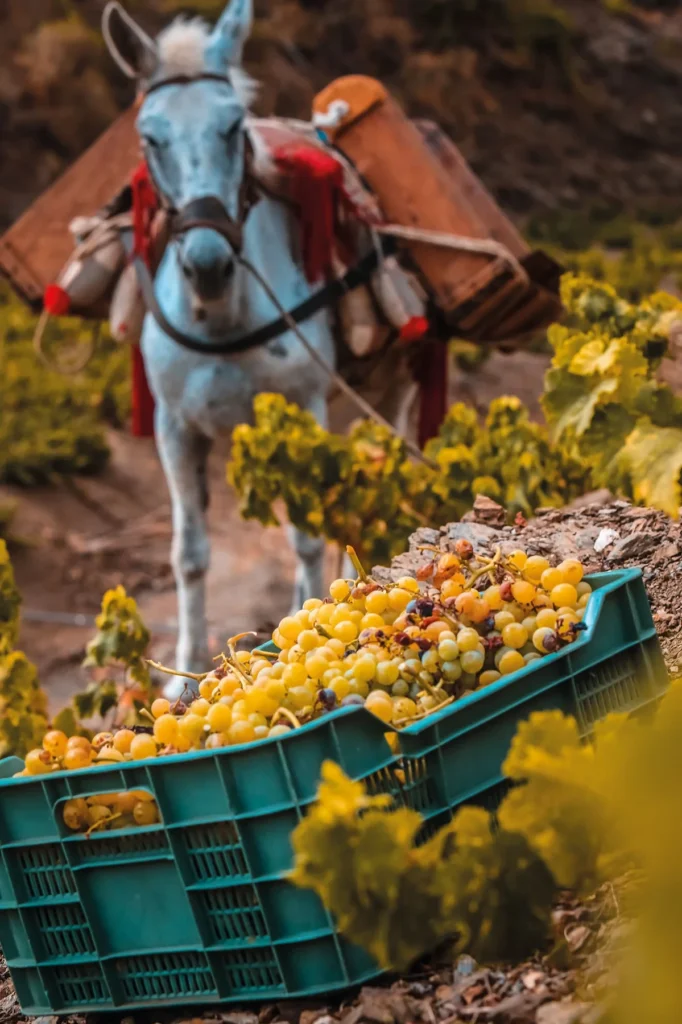
Axarquía stretches between the coastline and the mountains, and its terrain demands heroic viticulture: the slopes are so steep that farmers still work by hand, with the help of mules, much as they did centuries ago.
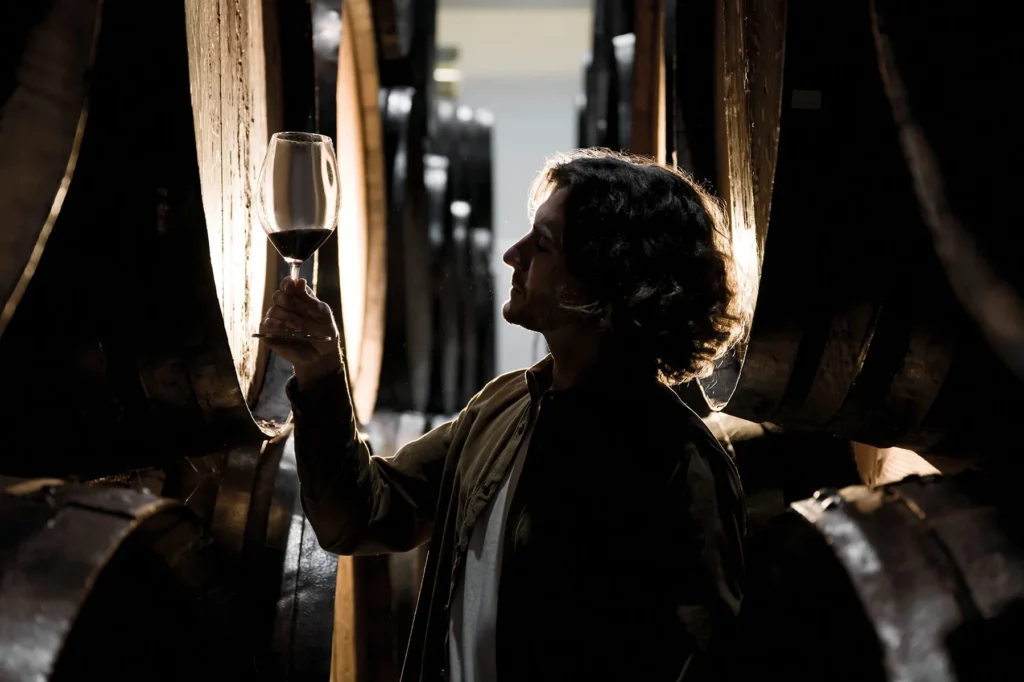
El Borge forms an essential part of the Raisin Route, and every September it celebrates Sultana Day, when visitors discover how artisans harvest and dry Muscatel grapes in traditional paseros, chop the fruit by hand in the local method, and pack it under the Designation of Origin Málaga, ready to taste at the winery itself.
Rincón de la Victoria hosts some of Axarquía’s most notable sporting fixtures: in summer, the jábega rowing championship, a traditional fishing craft raced by teams along the Málaga coast. The town has also established itself as a venue for elite sport on the Mediterranean, hosting legs of the Super Series triathlon.
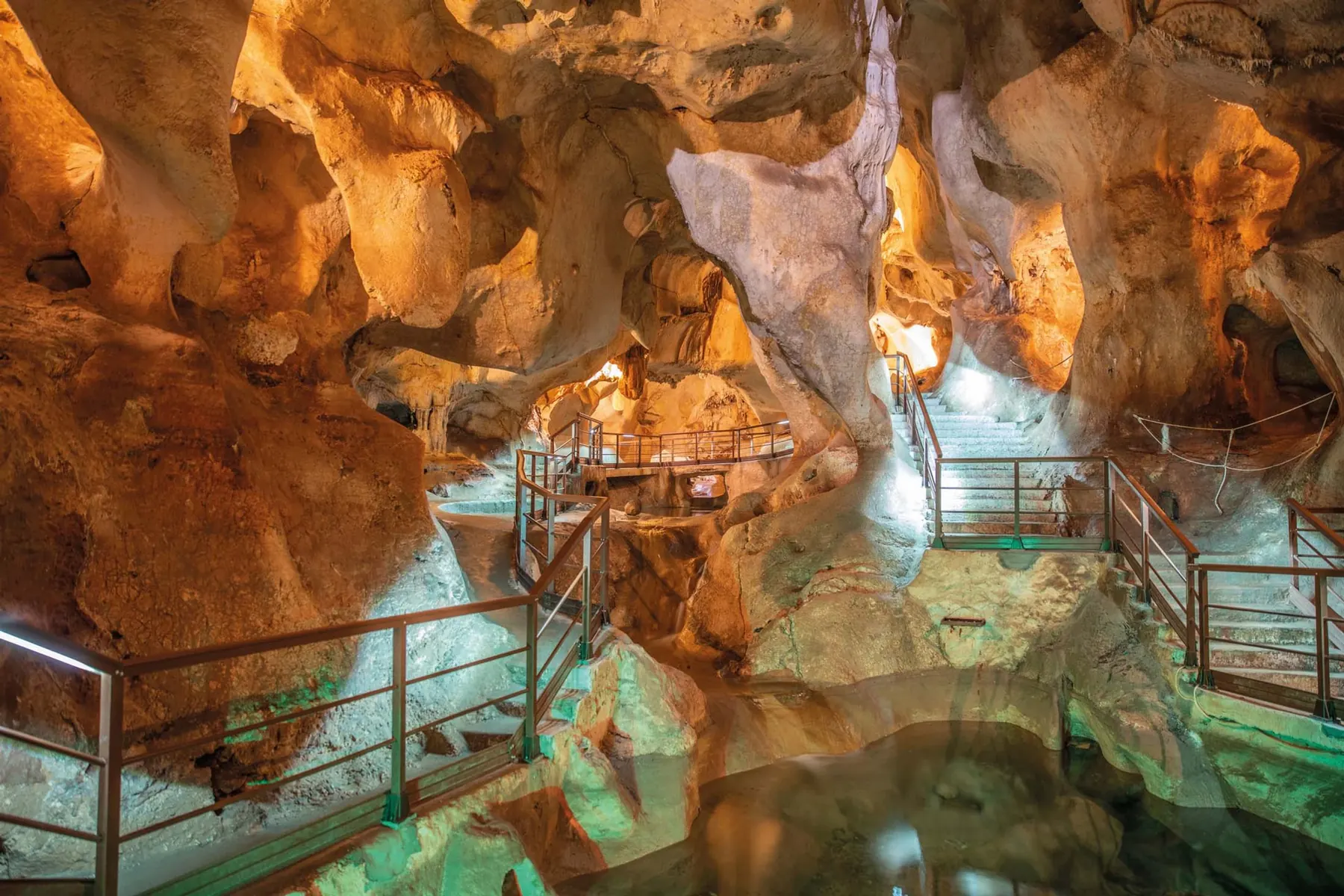
Its most extraordinary feature, however, lies not beside the sea but carved from it. Ten kilometres from the capital stands the Cueva del Tesoro, also known as the Cueva del Higuerón, is the only cave of marine origin in Europe and one of just three in the world, alongside two others in Asia and Mexico. Legend has it that the Almoravid king Tasufín ibn Alí concealed his treasure here in the 12th century — a story that consumed the Swiss adventurer Antonio de la Nari for thirty years, until he died in one of his own explosions in 1847. The treasure was never found.
Birthplace of Artists
The capital of the Costa del Sol has produced some of the most influential names in Spanish culture and sport: painter Pablo Picasso, actor Antonio Banderas, singer-songwriter Pablo Alborán, actress and singer Pepa Flores — known as Marisol — and Carolina Navarro Björk, ranked world number one on the World Padel Tour for nine consecutive years.
The Alcazaba, an 11th-century Muslim fortress whose name derives from al-Qasba, anchors the historic centre, while 130 metres above sea level, Castillo de Gibralfaro stands on the strategic point once used to guard every access to the city by land and sea.
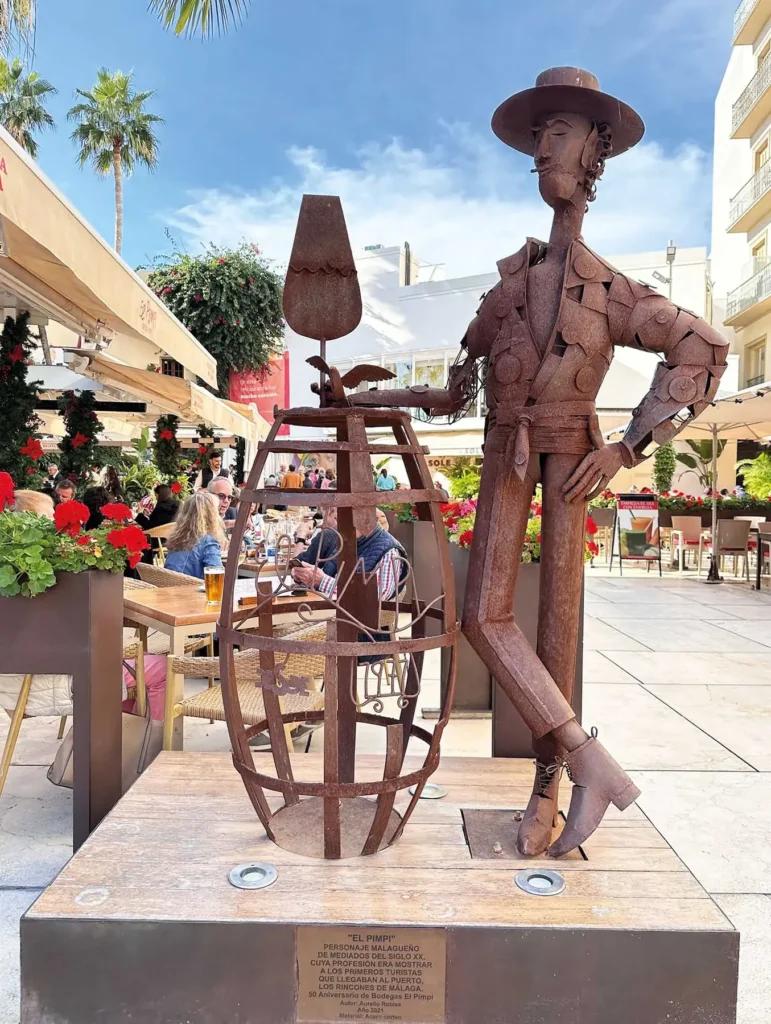
Bodega El Pimpi occupies an 18th-century house beside the Picasso Museum and opposite the Roman Theatre, named after a popular local character who once guided newly arrived travellers through the city’s hidden corners. Muelle Uno, meanwhile, pairs workshops and artistic activities with touring exhibitions and concerts that share the waterfront with boats, restaurants and boutiques year-round.
In Benalmádena, nature takes centre stage, evident in the Jardines del Muro, designed by architect César Manrique, and in the Mariposario de Benalmádena, a striking Thai-inspired temple home to more than 1,500 exotic butterfly species from around the world.
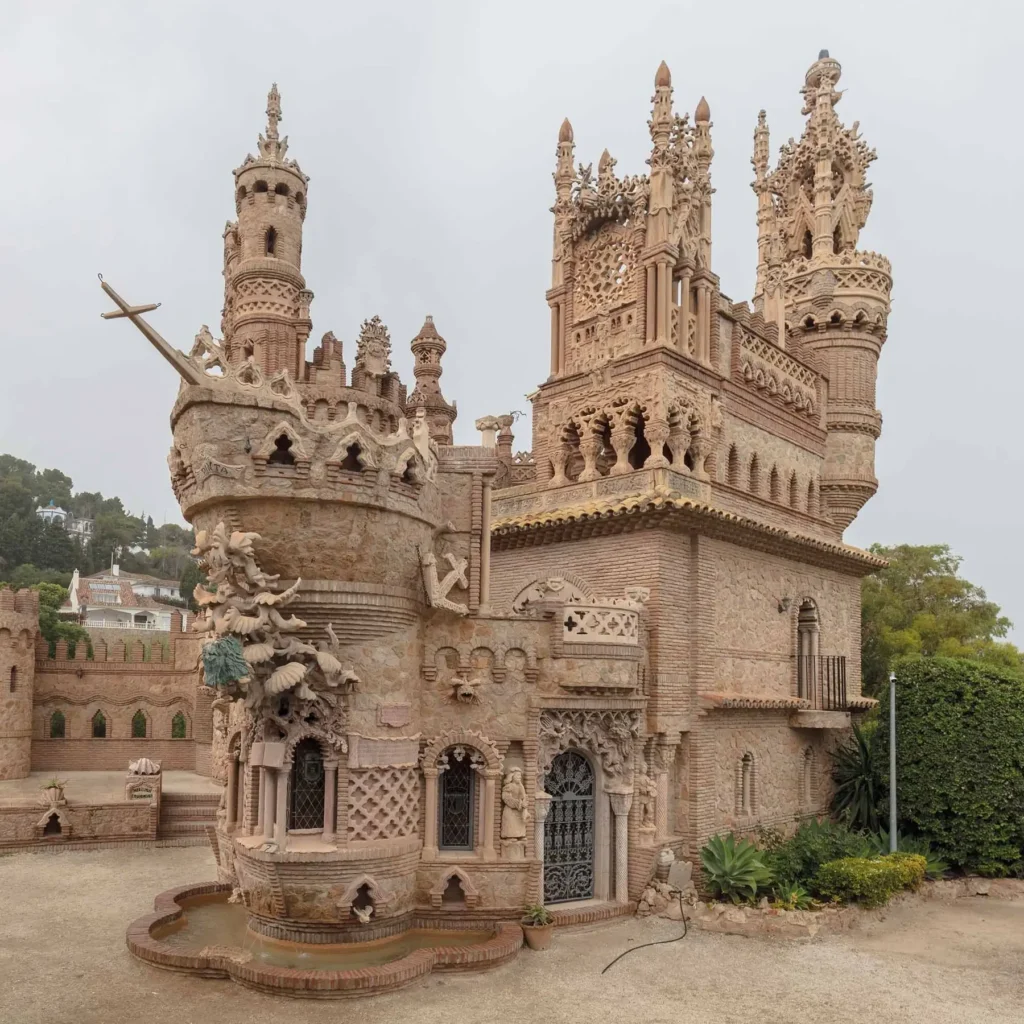
At the town’s highest point stands Castillo de Colomares, a monument blending Byzantine, Gothic, Romanesque and Mudéjar styles. Built by Dr Esteban Martín Martín to commemorate the fifth centenary of the Discovery of America, it has become one of the province’s most photographed landmarks.
The Lifestyle That Rivals Monaco
Marbella stands out for its cosmopolitan lifestyle and luxury sporting calendar, blending a Mozarabic past with a thoroughly contemporary present, enough that tourists and celebrities alike compare it to Monaco or Saint-Tropez. The Saudi royal family itself chose the city for its residence, a mansion inspired by the White House, complete with private villas, gardens, a mosque and a heliport.
Walking along the Boulevard de la Fama reveals bronze starfish set into the pavement, designed by sculptor David Marshall and bearing the signatures of figures including the Duchess of Alba, Julio Iglesias, Montserrat Caballé, Carmen Thyssen, Miguel Ángel Jiménez, Arantxa Sánchez Vicario and Vicente del Bosque, among many other names from the international jet-set.
Centuries-Old Gorges
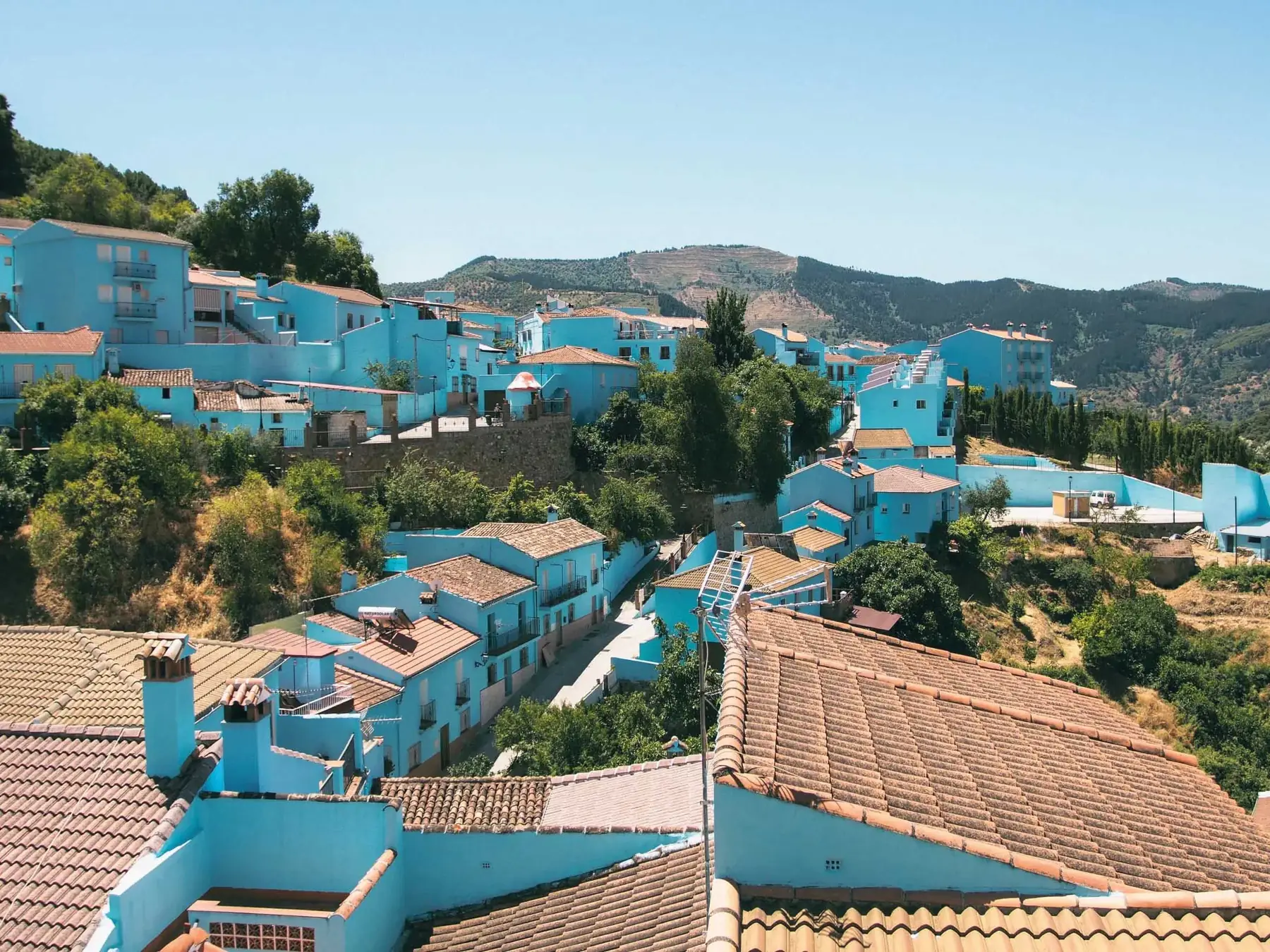
Júzcar holds a singular charm: every façade has been painted blue since Sony Pictures Releasing chose the village in 2011 to promote the premiere of The Smurfs. The municipality decided to keep the colour permanently, including on the 16th-century church of Santa Catalina, dyed blue to join the tribute.
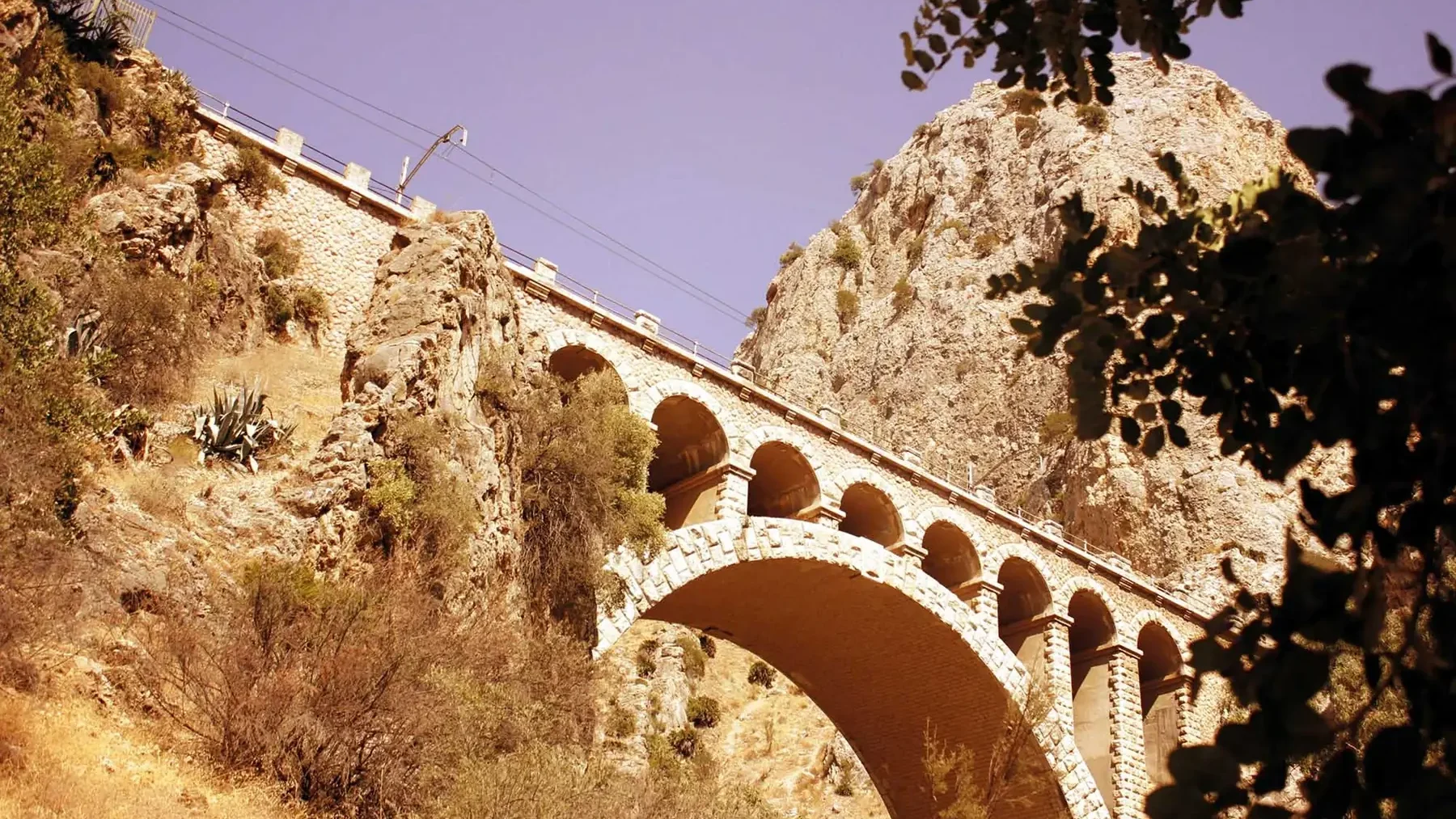
The Tajo de Ronda, a geological formation carved over millennia by the Guadalevín River, was declared a Natural Monument in April 2019. Beside it, the Puente Nuevo — built in the 18th century by architect Martín de Aldehuela — rises 98 metres to connect El Mercadillo, the modern quarter, with the old town.
From the heroic vineyards of Axarquía to the glamour of Marbella, by way of Benalmádena’s eclectic castles and the painted villages of the Serranía de Ronda, Málaga offers an itinerary where heritage, gastronomy and sport share the same natural rhythm as the sea and the mountains. Follow the full route here.