

Istanbul derbies, landmark stadiums and the global rise of Türkiye’s football culture
Turkish football has become one of the most compelling gateways into Istanbul’s contemporary culture. Its stadiums hold more than matches: they frame rivalries, rituals, architecture and a civic passion capable of turning every derby into a social event with international resonance.
Across the Bosphorus, the sport moves between Europe and Asia with unusual intensity. Galatasaray, Fenerbahçe and Beşiktaş form the historic triangle of Istanbul football, three clubs whose identities extend far beyond the pitch. Their colours, chants and neighbourhoods shape the city’s rhythm and explain why Türkiye has become a football destination followed by supporters, travellers and brands across Europe and the Middle East.
Istanbul’s great football rivalry
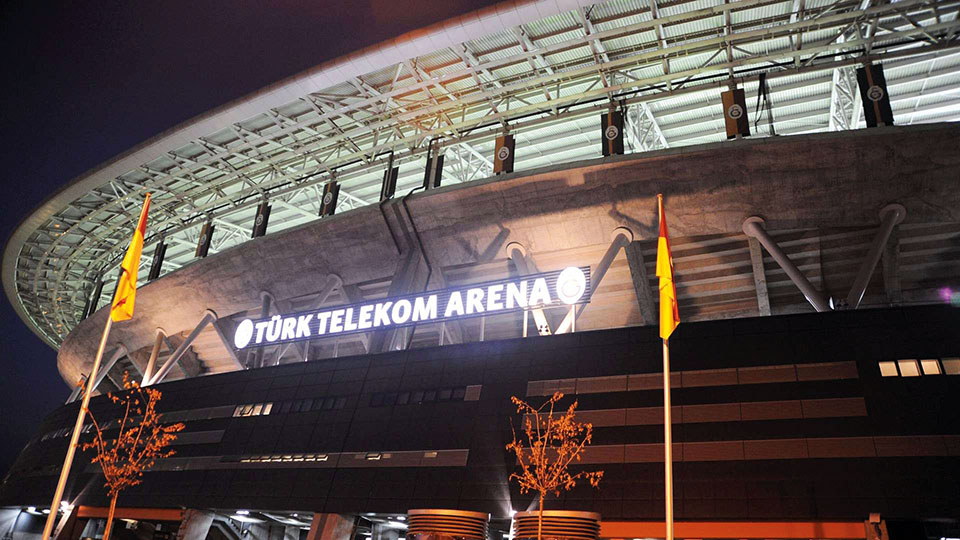
Galatasaray carries the prestige of European achievement. Its victories in the UEFA Cup and UEFA Super Cup in 2000 remain defining milestones for Turkish football, still unmatched by any other club from the country. At RAMS Park, the club’s home within the Ali Sami Yen Sports Complex, matchday becomes a dense spectacle of sound, loyalty and collective identity.
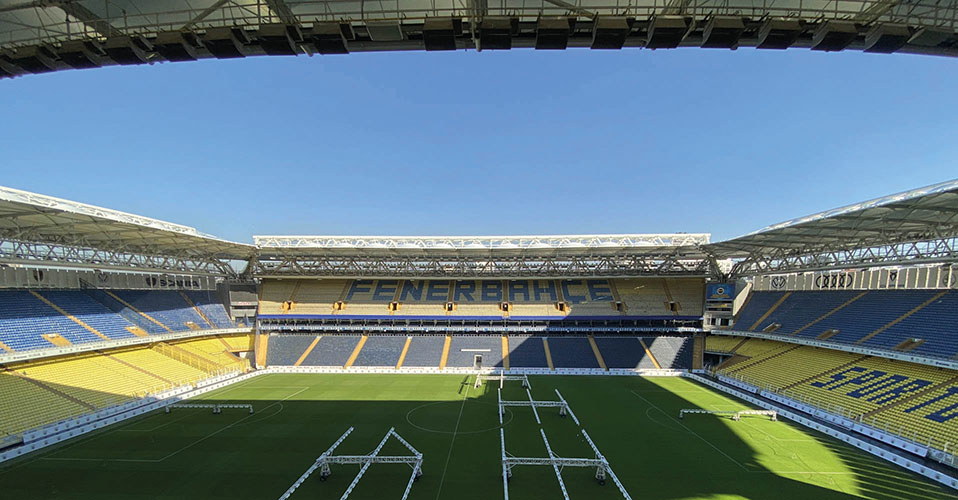
Fenerbahçe gives the rivalry its Asian-side force. Şükrü Saracoğlu Stadium, in Kadıköy, belongs to one of the most passionate fan cultures in Turkish sport. The club’s history has attracted names with global reach, from Mesut Özil to Joseph Mourinho, whose time at Fenerbahçe added another layer of international attention before his later move away from the club.
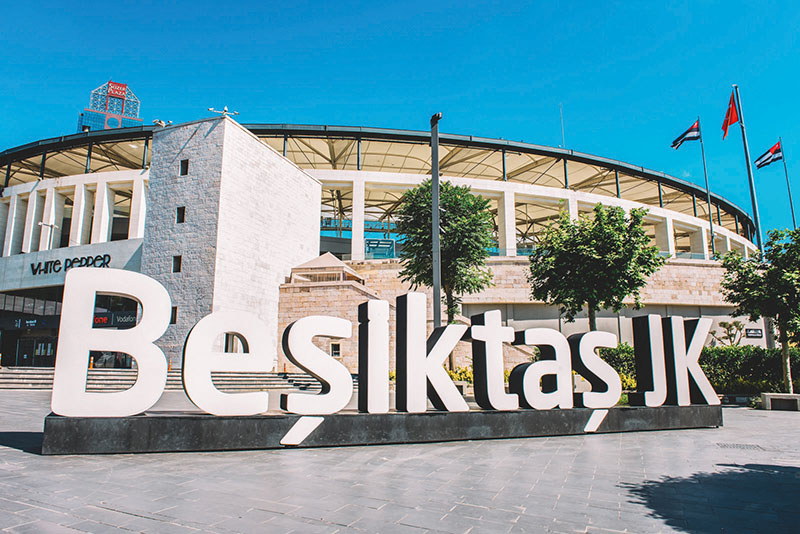
Beşiktaş brings a different urban elegance to the scene. Its home, now known as Tüpraş Stadyumu and used as Beşiktaş Park in UEFA contexts, stands close to Dolmabahçe Palace and the Bosphorus. The stadium replaced the old İnönü ground while preserving the emotional geography of the club: the sense of arriving at football through one of Istanbul’s most symbolic districts.
Stadiums as architecture and destination
Türkiye’s football appeal also rests on the evolution of its venues. Tüpraş Stadyumu, RAMS Park and Şükrü Saracoğlu Stadium reveal three different faces of Istanbul: waterfront prestige, modern sporting infrastructure and neighbourhood intensity. Together, they turn football into a way of reading the city, from design and hospitality to local belonging.
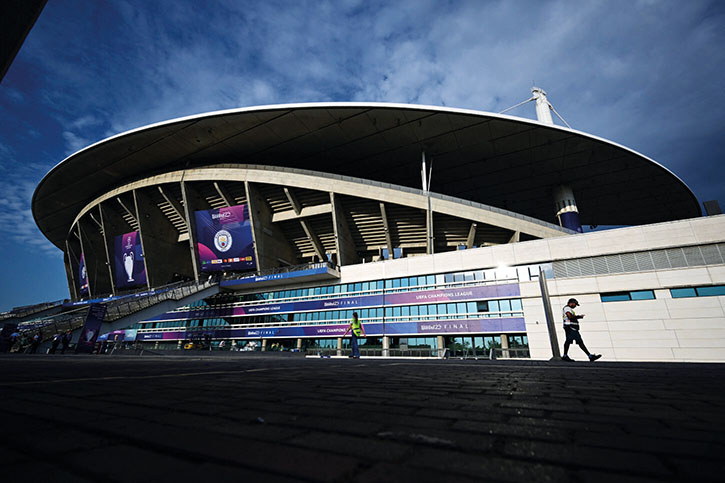
The Atatürk Olympic Stadium adds the global chapter. As Türkiye’s largest football arena, it has hosted nights that belong to European football history. On 10 June 2023, Manchester City defeated Inter Milan there to win the UEFA Champions League, with Rodri scoring the decisive goal. That final reinforced Istanbul’s status as a city capable of hosting the highest level of international sport.
Why Turkish football matters now
For travellers, Turkish football offers a cultural itinerary as powerful as any museum, market or historic monument. A derby in Istanbul is a study in belonging; a stadium tour becomes a lesson in urban identity; a Champions League night confirms the city’s capacity for global spectacle.
Türkiye’s football crosses borders because it combines heritage, emotion and modern infrastructure with a rare sense of place. Between the Bosphorus, Kadıköy, Dolmabahçe and the vast scale of the Atatürk Olympic Stadium, the game becomes one of the most vivid ways to understand Istanbul today.